

MULTI-ENTITY REVENUE RECOGNITION
Multi-entity RevRec, one ledger
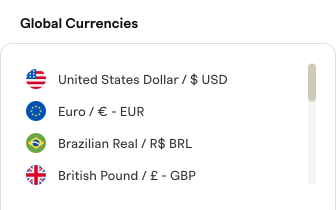
Consolidated revenue recognition across 5 to 30 global subsidiaries — FX handled across 22+ currencies, inter-entity eliminations automated, and a single audit-traceable ledger your audit committee can sign off on.

 Get the playbook
Global finance teams consolidating revenue across subsidiaries


Why multi-entity needs one ledger
Why multi-entity needs one ledger
 Subscriptions
How consolidation actually works

Launch subscriptions your way
A playbook for consolidating multi-entity revenue recognition into one ledger — without losing subsidiary detail or audit traceability.


Grow revenue, minimize churn
Step-by-step: chart of accounts mapping, functional currency designation, FX translation logic, and inter-entity elimination journals.

Scale as big as you want
What audit committees ask for: subsidiary-to-consolidated tie-out, consistent FX methodology, elimination completeness, and a single audit-traceable ledger.
 Commerce
Why multi-entity needs one ledger
Each subsidiary records revenue in its functional currency. Recurly translates to your reporting currency using monthly average rates for the income statement and spot rates for balance-sheet items, with full audit traceability per transaction across 22+ currencies.
Inter-entity revenue and intercompany receivables/payables are tagged at the source and netted automatically at consolidation. The playbook walks through how the elimination journal is built, posted, and traced — even across 30 entities.
Audit committees focus on three things: that revenue at each subsidiary ties to the consolidated total, that FX translation methodology is consistent and disclosed, and that inter-entity eliminations are complete. The playbook shows the evidence pack that answers each question.
 Engage
How consolidation actually works
Each subsidiary's revenue is recognized in its functional currency, then translated to the reporting currency at consolidation.
Inter-entity revenue is tagged at the source and netted automatically — no manual elimination spreadsheets at month-end.
One audit-traceable consolidated ledger — every subsidiary, every elimination, every FX translation step is queryable.
 RevRec
What audit committees ask for
Why running multi-entity RevRec without a single ledger creates audit risk — and how a unified consolidation model resolves it.
A walkthrough of consolidation at 5, 15, and 30 entities — chart of accounts mapping, FX translation, and inter-entity eliminations.
The evidence pack audit committees actually ask for: subsidiary tie-out, FX translation methodology, eliminations completeness, and ASC 606 disclosure.
How consolidation actually works

Acquire and retain more
- Personalized acquisition and retention offers
- Real-time, in-product engagement
- AI-powered subscriber insights
Launch quickly, iterate often
- Flexible plan launches and testing without engineering
- Personalized journeys with unified billing + engagement data.
- Built-in retention tools and insights to prove impact
Simplify complexity, and scale securely
- Secure platform for billing and payments
- Low-code plan management for faster launches
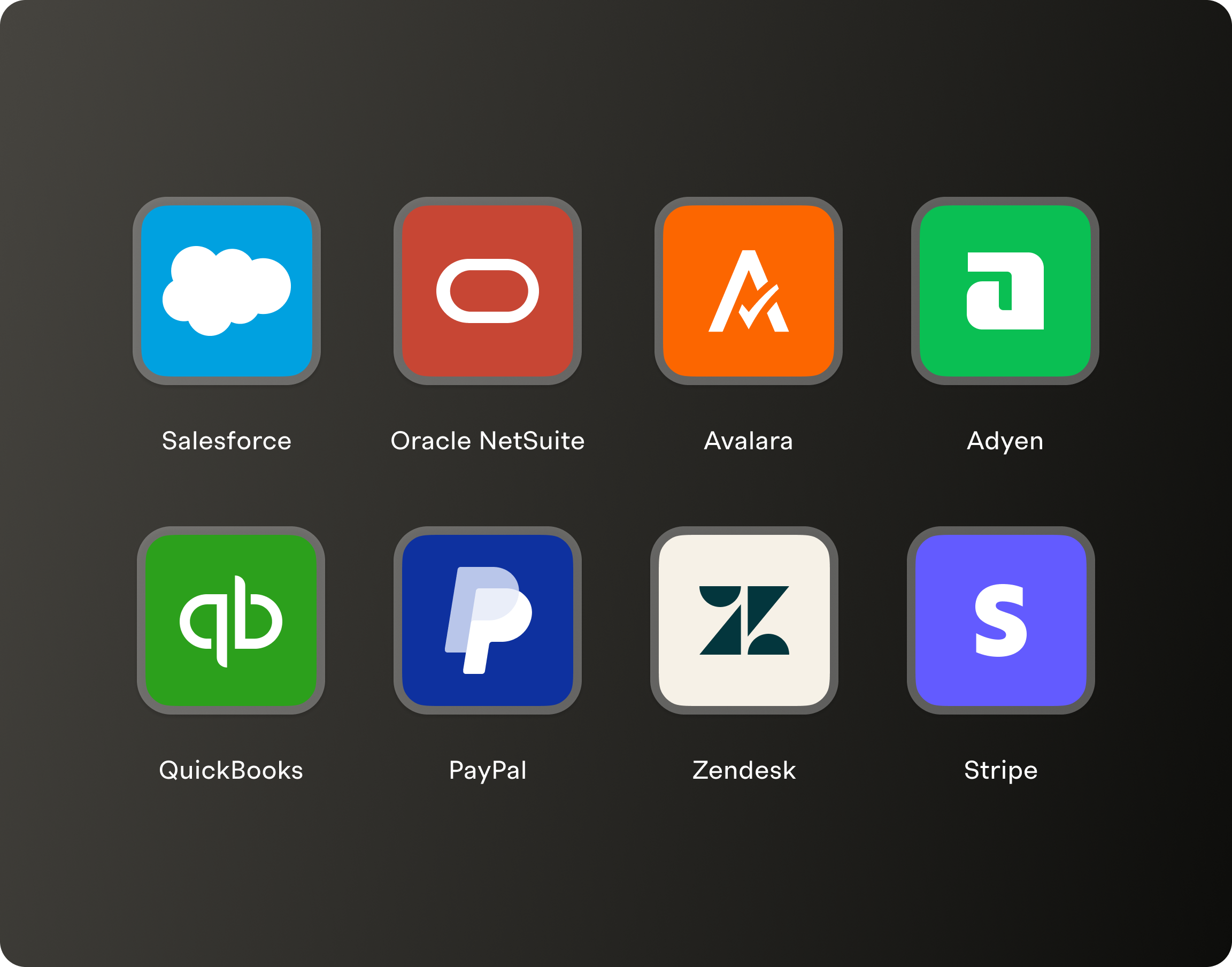
- Seamless integration with ERP, CRM, and data systems
Automate compliance, improve forecasting
- Automated billing, invoicing, and recognition
- Smart revenue recovery tools that reduce churn
- Real-time reporting and forecasting
What audit committees ask for
Global revenue, one ledger
5-30
entities consolidated in one ledger
22+
currencies handled with FX automation
100%
inter-entity eliminations automated
1
audit-traceable consolidated ledger
INSIDE THE PLAYBOOK
Multi-entity, single ledger
A consolidation playbook for finance teams running 5 to 30 global subsidiaries — chart of accounts mapping, FX translation across 22+ currencies, automated inter-entity eliminations, and a single audit-traceable ledger your audit committee can sign.
 Get the playbook
Subsidiary mapping
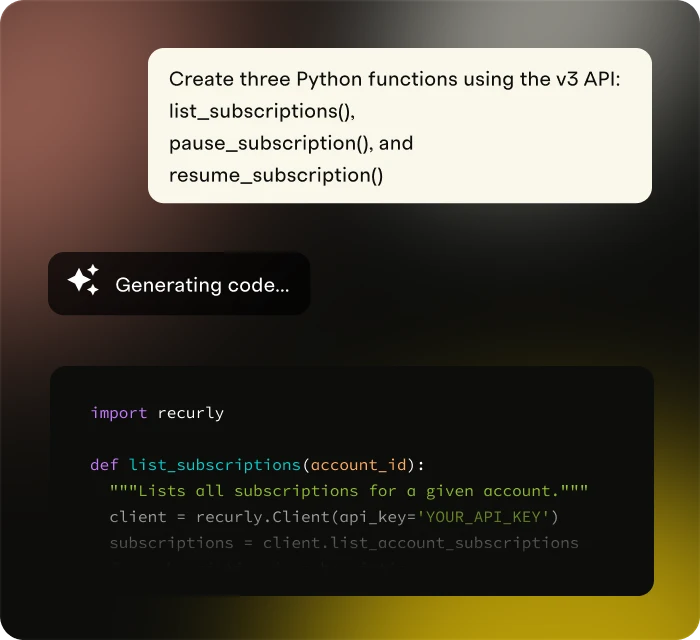
Map 5-30 entities into a single chart of accounts and consolidated ledger — without losing local subsidiary detail.
FX consolidation
Translate 22+ functional currencies to your reporting currency with monthly average and spot rate logic — fully audit traceable.
Detect anamolies
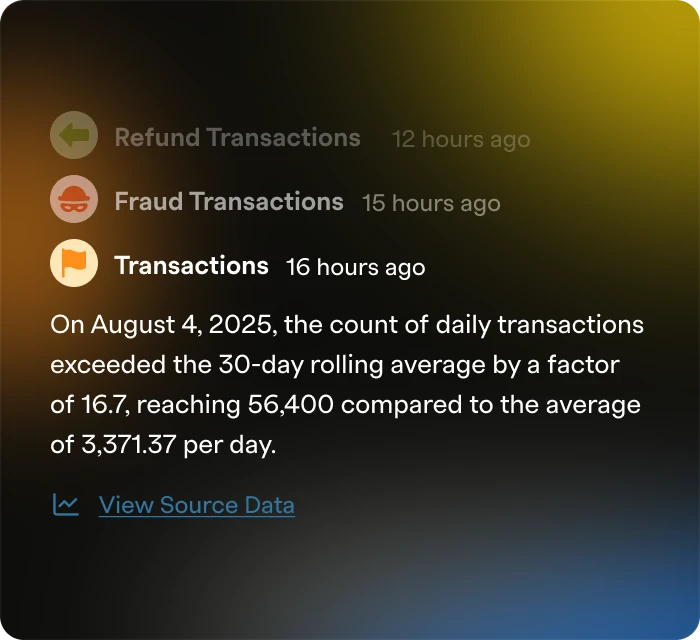
Inter-entity transactions are tagged at the source and netted at consolidation — no manual elimination spreadsheets.
The multi-entity consolidation playbook
A consolidation playbook for finance teams running multi-entity revenue recognition — what to map, what to translate, what to eliminate, and what your audit committee will ask for. Includes:
- FX, cleanly handled: How to translate 22+ subsidiary currencies into your reporting currency without breaking the audit trail — including monthly average vs. spot rate decisions
- Inter-entity, automated: A pattern for netting inter-entity revenue and intercompany receivables/payables in a single audit-traceable ledger — even across 30 entities
Download the playbook to align global controllers, your shared services team, and your audit committee on a single multi-entity RevRec model.
 Get the playbook
Global revenue, in one ledger
Consolidated revenue recognition across 5-30 subsidiaries — 22+ currencies, automated inter-entity eliminations, one audit-traceable ledger.
 Get the playbook